
 By
By

Summer in NZ feels like the country loosens its shoulders: days stretch long, beaches turn golden, and road trips become the easiest way to stitch together coast, rainforest, and mountain.
If you’re eyeing a campervan rental in NZ, summer is the season when detours become irresistible and late sunsets buy you extra adventures after dinner.
Summer months in New Zealand
From early December to late February, New Zealand settles into its most relaxed rhythm: warm afternoons, buzzing holiday towns, and water that actually invites a swim. Expect the liveliest period from Boxing Day through late January, when locals take their annual holidays and popular beach spots fill up. If you prefer quieter campgrounds, lean into early December or—better yet—February, when the weather still hums but the crowds thin.
What’s the summer like in NZ: daylight hours, climate, UV
The single biggest gift of a New Zealand summer is light, with 14 to 16 hours of it in many places, so you’re rarely rushed. Mornings arrive gently, and evenings can glow past 9 p.m., especially in the south. The climate is temperate rather than tropical, so think warm with a sea breeze never far away.
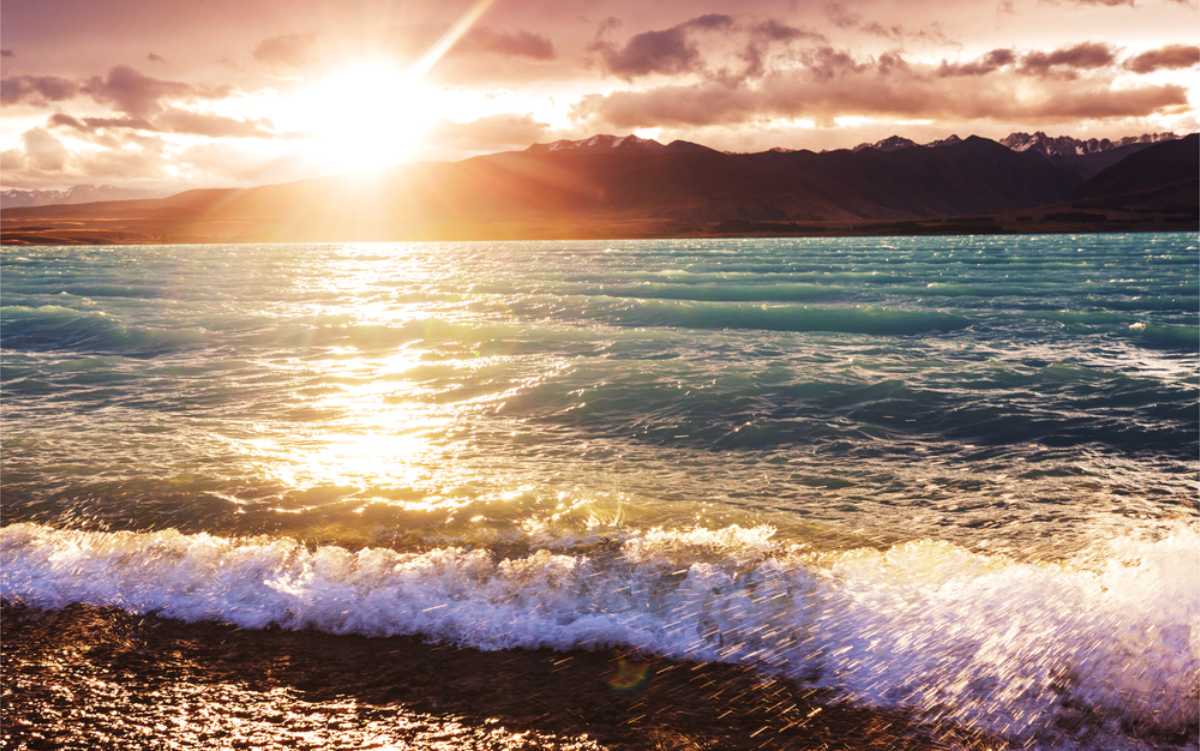
- Daylight: Expect ~14–16 hours of usable daylight. Farther south (Queenstown, Dunedin) often enjoys the longest evenings, while the north (Auckland, Bay of Islands) starts earlier and stays warm well after sunset.
- Sunrise/sunset feel by region: Auckland typically sees sunrise around 6 a.m. and sunset close to 8:40–8:50 p.m.; Wellington often nudges 9 p.m.; Christchurch and Otago can push beyond 9:20 p.m. on clear nights. Plan hikes for mornings and swims for late afternoons when the light softens and the wind eases.
- UV intensity: UV is serious business in NZ—often “Very High” or “Extreme” on clear days—so protection isn’t optional. Light long sleeves, a broad-brim hat, UV sunglasses, and SPF 50+ reapplied every 2 hours will keep you comfortable; seek shade 10:30–4:00 when possible.
Typical temperatures (North vs. South Island)
Expect warmer, slightly more humid air in the north and dry, crisp heat with cooler nights in much of the south. Lakeside and alpine areas can feel toasty by day yet refreshingly cool after dark, which is honestly perfect for sleep in a camper.
| Region (example hub) | Daytime highs (typical) | Night lows (typical) | How it feels in summer |
|---|---|---|---|
| Far North / Bay of Islands | 24–28 °C | 16–19 °C | Warm, swimmable seas, gentle evenings—ideal for beach-first itineraries |
| Auckland / Coromandel | 22–26 °C | 15–18 °C | Beach-friendly with the odd shower; great for coastal walks and SUP |
| Hawke’s Bay / Wairarapa | 23–29 °C | 12–16 °C | Sunny wine country; hot afternoons and long alfresco evenings |
| Wellington | 20–24 °C | 13–16 °C | Breezy but bright; sheltered bays are superb on still days |
| Nelson / Marlborough | 22–27 °C | 11–15 °C | High sunshine hours; perfect for Abel Tasman beaches and vineyards |
| Christchurch / Canterbury | 22–28 °C | 10–14 °C | Often dry and clear; cool, comfortable nights for camping |
| Queenstown / Central Otago | 22–30 °C | 8–12 °C | Hot, dry afternoons; starry, crisp nights—bring a light puffer |
| West Coast (Glacier Country) | 20–24 °C | 12–15 °C | Lush and changeable; showers sweep through quickly, raincoats handy |
What summer weather means for campervan travel
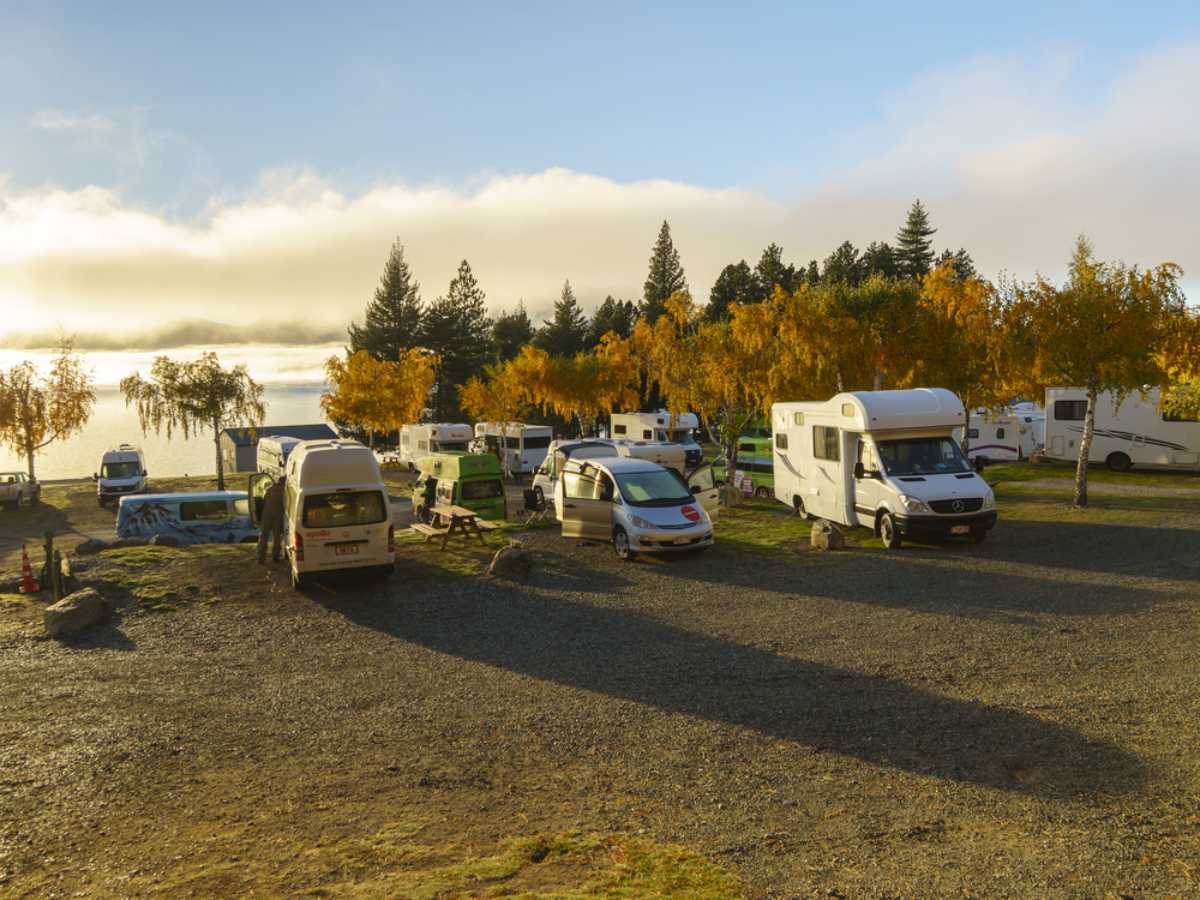
Summer is the smoothest season for van life: reliable roads, easy camp setup, and the luxury of lingering. Powered holiday-park sites book out over the Christmas–New Year peak, so reserve early if you want guaranteed hookups or seaside sites. Freedom camping is possible in many districts, but rules vary—carry your self-containment certificate and always check local signage.
Access to beaches, parks & hidden spots
Dry gravel roads and well-marked trails unlock dozens of side missions you might skip in winter. A short detour becomes a half-day beach session; a scenic lay-by morphs into the best picnic of the trip. DOC (Department of Conservation) camps feel social in summer—expect friendly chats at the sink and sunset tips from neighbors.
Best season for outdoor living
Evenings are made for hammocks, camp-kitchen feasts, and barefoot wanderings on warm grass. A lightweight down jacket handles late-night stargazing in alpine regions, while insect repellent helps at lakes and river mouths on still nights. With sunset late, you can squeeze in a post-dinner walk, a quick paddle, and still catch the glow on the horizon.
Top Campervan-Friendly Summer Activities in NZ
1. Beach days & water adventures
From Northland coves to Abel Tasman’s golden arcs, summer is the season for saltwater rituals. Pack a mask and snorkel for rocky headlands, a soft-top board for mellow waves, and a thermos for beach-brewed coffees at sunrise. Morning is usually calmest for paddling; afternoons can bring a breeze that’s perfect for kite-like fun along long strands.
2. Hiking & nature walks
Trails are at their friendliest—firm underfoot, waymarked, and brimming with photo stops. In the north, chase kauri groves and coastal headlands; in the south, think Hooker Valley Track’s swing bridges, Wānaka’s lakeside rambles, or a gentle section of the Kepler or Queen Charlotte Tracks. Start early for empty paths, then swim at lunch when the day peaks.
3. Wildlife spotting
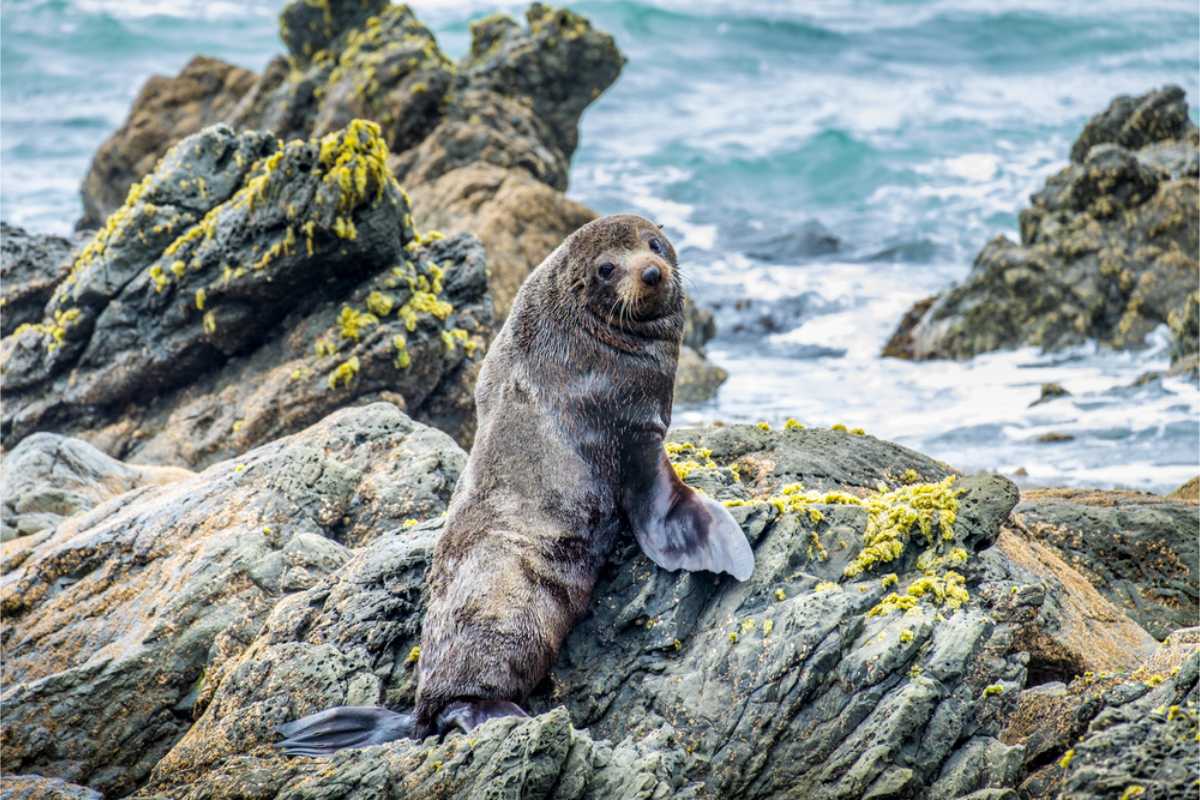
Summer is busy on the coasts—seabirds wheel overhead and fur seals lounge on sun-warmed rocks. Guided tours on the Otago Peninsula reveal royal albatross wingspans up close, while dusk in select regions can mean a glimpse of little blue penguins shuffling ashore. Keep respectful distances, follow local guidance, and zoom with your camera instead of your feet.
4. Adventure sports & adrenaline
Blue-sky consistency helps operators run reliably—ideal for bungy, jet-boating, canyoning, rafting, or scenic flights. If you’ve ever wanted to kayak beneath glacier-carved cliffs or skim a jet boat through braided rivers, summer’s stable windows make “maybe” turn into “why not today.”
5. Food, wine & local experiences
Summer harvest brings NZ wine and markets overflowing with berries, stone fruit, cheeses, and fresh seafood. Coromandel fish-and-chips on the beach, Hawke’s Bay and Wairarapa wine flights under vines, or Marlborough sauvignon perfectly chilled for a campground sunset—this is the season to eat outside and linger.
Best Summer Road Trips & Itineraries (By Campervan)
North Island 7-Day Summer Route
Auckland → Coromandel → Rotorua → Taupō → Wellington
What to expect: Short hops, huge variety—beaches, geothermal pools, lakes, and a capital city finale.
- Day 1–2: Coromandel — Hahei, Cathedral Cove walks at dawn, hot-water digging at low tide.
- Day 3–4: Rotorua — Geothermal parks, canopy zip lines, Māori cultural evenings; soak in natural hot pools after hikes.
- Day 5: Taupō — Huka Falls roar, lake swims, lakeside cycleways; detour to Tongariro viewpoints on a clear day.
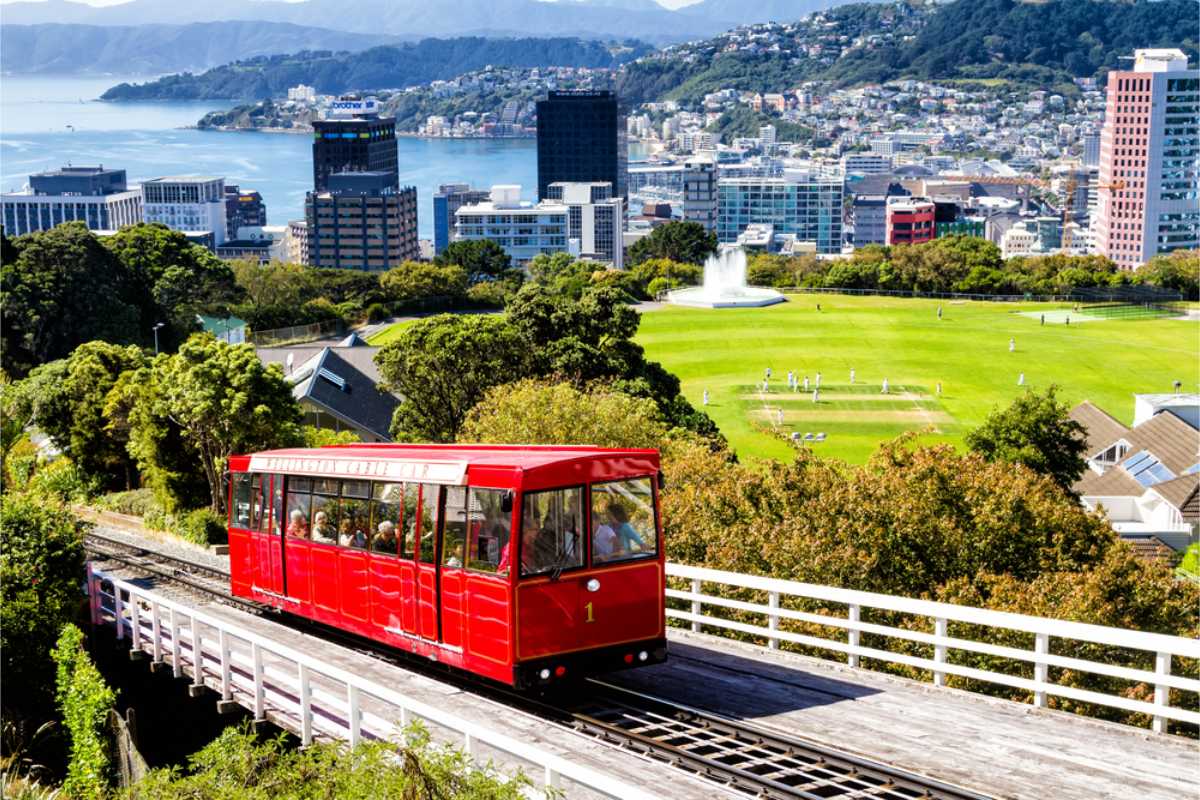
- Day 6–7: Wellington — Craft beer, waterfront promenades, and Te Papa museum; ferry prep if continuing south.
South Island 10-Day Adventure
Picton → Kaikōura → Christchurch → Tekapo → Queenstown → Milford Sound
What to expect: Sea-to-summit drama—whales and dolphins, turquoise lakes, and alpine theatre.
- Day 1: Picton Sounds — Quiet bays, lookouts, and mussel tastings.
- Day 2: Kaikōura — Morning marine tours, afternoon coastal walks, crayfish dinner with an ocean view.
- Day 3: Christchurch — Riverside lanes, street art, and a Banks Peninsula side trip.
- Day 4–5: Tekapo/Mackenzie — Stargaze under the Dark Sky Reserve; swim or paddle on a glacier-fed lake.
- Day 6–8: Wānaka/Queenstown — Hikes, lake days, wineries, and your pick of adventure sports.
- Day 9–10: Fiordland — Cruise Milford Sound (Piopiotahi); stay two nights to meet both sun and mist.
Pacing tip: Build in an extra night in the Mackenzie or Wānaka to snag a clear stargazing window.
3–4 Week New Zealand Explorer
Full loop with Interislander ferry, both islands
- Northland to Coromandel for beaches and bush; Rotorua/Taupō for geothermal and lakes; Wellington for culture and cuisine.
- Marlborough/Nelson for vineyards and Abel Tasman bays; West Coast for rainforests and glaciers; Central Otago/Fiordland for mountain grandeur; Catlins or Dunedin to finish with wild coasts and wildlife.
Pacing tip:Rest every 4–5 days—laundry, long lunches, and a swim; your future self will thank you.

What to Pack for Summer Campervan Travel
Think light, breathable layers and smart sun strategy—then add small comforts that make van life sing.
- Sun & heat: SPF 50+ sunscreen, after-sun, hat with brim, UV sunnies, a rash top for long swims, electrolyte sachets.
- Clothing: Quick-dry tees and shorts, linen or cotton shirts, light fleece or thin down jacket for alpine nights, compact rain shell.
- Footwear: Jandals/sandals, breathable walking shoes, reef shoes for rocky coves and riverbeds.
- Camp kit: Headlamp, microfibre towels, picnic rug, lightweight hammock, soft storage cubes, reusable water bottles.
- Nice-to-have toys: Snorkel set, SUP or inflatable kayak (if space allows), compact binoculars for wildlife.
FAQs About Summer in NZ
1. Is summer in NZ the busiest time?
Yes! Late December to late January is peak. Book holiday parks and iconic activities early; February is brilliant with fewer crowds.
2. Can I freedom camp in summer in NZ?
Only where permitted and often only in self-contained vehicles. Check council rules and posted signs; leave sites immaculate.
3. Is the UV really that strong?
It is. Even with a breeze, you can burn quickly. Use SPF 50+, reapply, wear a hat and long sleeves, and time your swims outside the midday peak.
4. Do I need to book every night when camping in NZ?
Not everywhere—but lock in hotspots (Coromandel, Abel Tasman, Queenstown/Te Anau) and any beachfront powered sites during peak weeks.
5. Are sandflies a problem?
They can be on the West Coast, Fiordland, and around rivers. Repellent helps; cover ankles/wrists at dawn and dusk, and keep the van doors screened.
6. What about swimming conditions?
Most beaches are lovely in settled weather. Swim between the flags at patrolled beaches, watch for rips, and follow local advice.